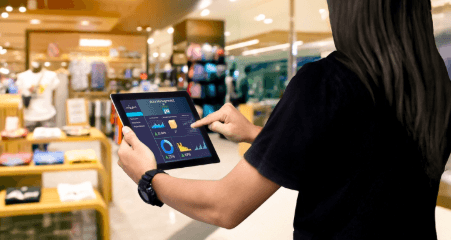
Smart devices are reshaping retail by linking connected shelves, mobile wallets, and IoT analytics into cohesive, data-driven store experiences. Real-time insights enable cross-channel personalization and agile decision-making, while frictionless checkout and faster payments streamline the shopper journey. Interoperable systems improve attribution and risk management, supporting scalable ecosystems and loyalty. With strong data governance and privacy controls, retailers balance innovation with customer protection, creating a foundation for measured growth—yet the path forward raises questions that demand closer examination.
What Smart Devices Change About Shopping Experiences
Smart devices reshaping retail experiences are driving measurable changes in consumer behavior, store operations, and omni-channel strategy. The analysis tracks how connected shelves, mobile wallets, and IoT analytics elevate engagement, speed, and decision-making. It highlights data privacy considerations and device interoperability as core prerequisites for scalable ecosystems, enabling clearer attribution, risk management, and freedom to innovate without compromising trust or compliance.
Real-Time Personalization Across Channels
By integrating real time data, brands deploy cross channel strategies that anticipate needs, optimize relevance, and sustain engagement.
This approach drives measurable lift, loyalty, and competitive differentiation in a rapidly evolving retail landscape.
Frictionless Checkout and Faster Payments
Frictionless checkout and faster payments sit at the intersection of evolving consumer expectations and advanced payment technologies, converting real-time personalization into seamless in-store and online experiences. Data shows friction reduction drives higher conversion and loyalty, while accelerated settlement improves cash flow for retailers. Market momentum favors universal methods, cross-border readiness, and privacy-compliant tokenized transactions, enabling scalable, future-ready, frictionless checkout and faster payments ecosystems.
What to Watch When Evaluating Retail Tech Solutions
Retail technology selection hinges on measurable outcomes: the ability to reduce friction, improve conversion, and accelerate cash flow across channels. Evaluators should prioritize interoperable platforms with transparent roadmaps, rigorous data governance, and verifiable security postures. Focus on scalability, vendor accountability, and measurable ROI. Address customer privacy proactively, ensuring consent, retention limits, and auditable controls while maintaining freedom to innovate and adapt to evolving market demands.
See also: theexplorevenango
Frequently Asked Questions
How Do Smart Devices Impact Privacy and Data Security for Shoppers?
Smart devices raise privacy concerns and risk data breaches, as retailers collect and analyze shopper signals. Data security investments, transparent policies, and consumer control are essential for sustaining trust in a market-driven, forward-looking retail ecosystem that values freedom.
What Are the Hidden Costs of Deploying Smart Retail Tech?
Avant-garde ledger, the study identifies hidden costs and deployment challenges in smart retail tech, noting upfront capital and ongoing maintenance as drivers. It emphasizes data-driven, market-focused foresight, framing investments as enabling consumer freedom and scalable, sustainable growth.
Can Customers Opt Out of Device-Based Personalization?
Customers can opt out of device-based personalization; retailers implement opt out options and consent management to respect user choices, enabling control over data use. Data-driven, market-focused projections indicate growing demand for transparent, freedom-oriented personalization governance.
Do Smart Devices Work Equally Well for All Store Types?
Smart devices do not work equally for all store types; store type applicability varies. Data shows cross store scalability improves outcomes in large footprint formats, while specialty venues require tailored solutions—balancing flexibility, privacy, and freedom for operators and shoppers.
How Is ROI Measured for Smart Retail Investments?
Ironically, ROI measurement methods for smart retail investments rely on data driven metrics, not intuition; they quantify incremental sales, margin lift, and customer engagement, guiding forward-looking, market-focused decisions while preserving freedom to invest in adaptable, scalable solutions.
Conclusion
The data show a seismic shift: smart devices are not just enhancements but catalysts propelling retail into an ultra-responsive, predictive era. Real-time personalization, seamless checkouts, and interoperable ecosystems coalesce into a market-defining flywheel—accelerating conversions and loyalty at an unprecedented scale. As adoption compounds, retailers that master governance and consent will outpace competitors with audacious margins and razor-sharp insights. In this forecast, defeatist caution yields to a bold, data-driven certainty: the future belongs to those who optimize with devices.